AI GUIDES · LEARN
AI guides for companies putting AI to work
Lingows AI guides teach the practical work of adopting AI: choosing a first use case, building a roadmap, training teams, writing policy, and rolling AI systems into daily operations. Each guide is step by step, vendor neutral, and reviewed on a visible date.
02All guides
Filter by stage, audience, or difficulty
Featured guide

How to build an AI roadmap for your company
An AI roadmap is a sequenced plan that names which business processes a company will apply AI to, in what order, with what budget, owners, and success measures. A good AI roadmap starts from operational problems rather than tools, ranks candidates by value and readiness, and schedules small pilots before large rollouts.
 ConsultManagers
How to pick your first AI use case
A first AI use case is the single business process a company selects for an initial AI project. The strongest first use case is frequent, repetitive, low risk, measurable, and owned by a manager who wants the change, so a small pilot can prove value and build confidence before larger AI projects begin.
Beginner8 min readLast reviewed November 10, 2026 TeachManagers
How to train your team to use AI
Training a team to use AI means teaching each role to apply AI tools safely and effectively to the work the role already does. Effective AI training starts with an approved tool list and a written policy, uses real tasks instead of generic demos, and continues after the workshop through shared playbooks and coaching.
Beginner8 min readLast reviewed November 10, 2026 OnboardManagers
How to roll out an AI assistant to your company
Rolling out an AI assistant means deploying a chat-based AI tool to employees with access to approved company knowledge, clear permissions, and rules for human review. A successful rollout starts with one team and a defined purpose, connects only the data each role should see, and expands in stages with training and support.
Intermediate8 min readLast reviewed November 10, 2026 ConsultManagers
How to run an AI readiness assessment
An AI readiness assessment is a structured review of whether a company has the strategy, data, systems, skills, and governance needed to use AI successfully. A readiness assessment scores each area, identifies the gaps that would block a first project, and produces a short list of fixes to complete before or during an initial pilot.
Beginner8 min readLast reviewed November 10, 2026 ConsultExecutives
How to build an AI business case
An AI business case is a document that justifies an AI project by comparing the expected benefits with the full costs and risks, using a measured baseline. A strong AI business case names the problem, the owner, the measures of success, the running costs after launch, and the pilot result that would justify further investment.
Intermediate8 min readLast reviewed November 10, 2026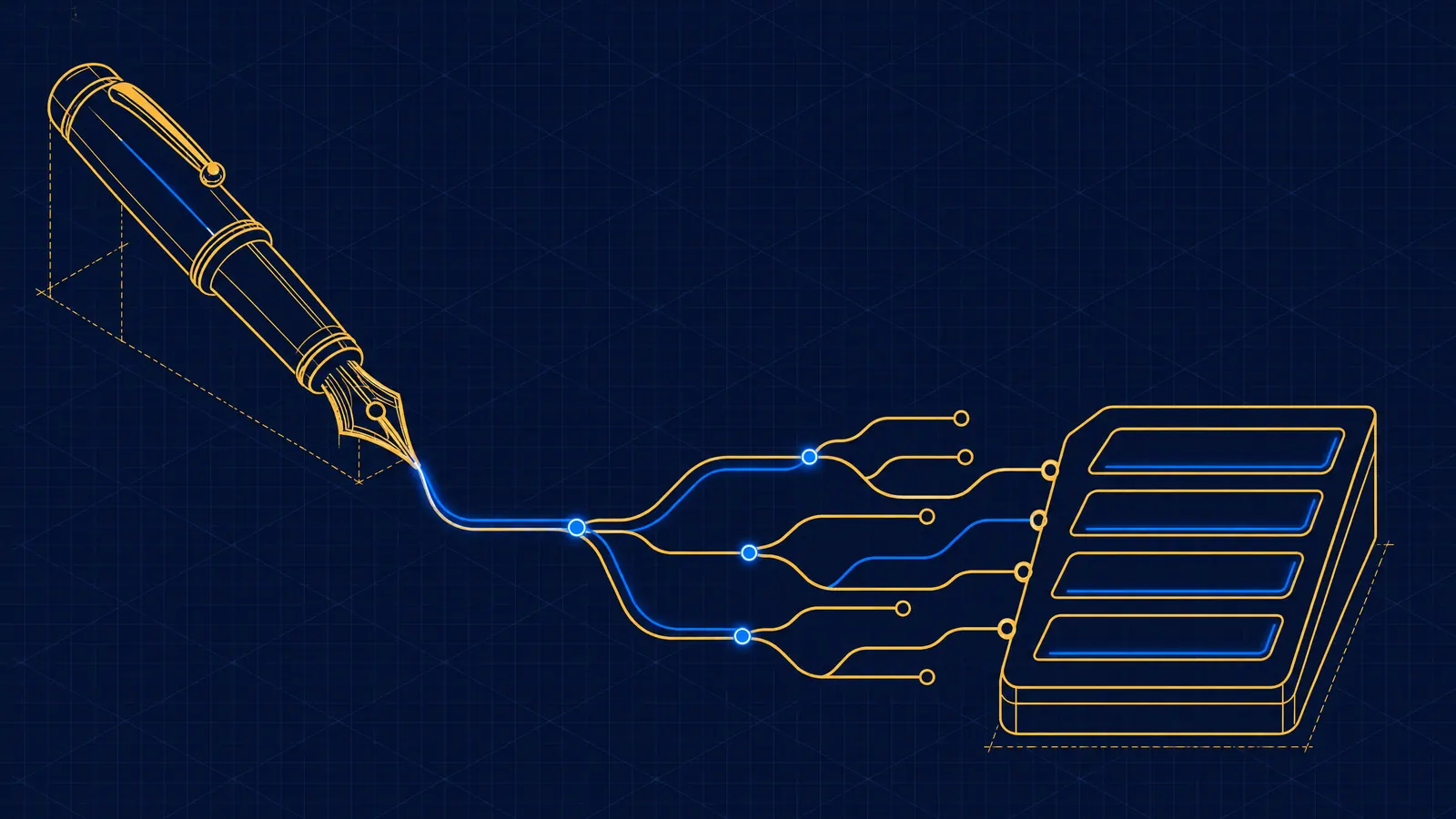 TeachTeams
Prompt writing for business teams
Prompt writing for business teams is the practice of giving an AI assistant clear instructions, relevant context, examples, and a required output format so the assistant produces useful work on the first or second attempt. Good business prompts read like a brief to a capable new colleague: specific about the goal, the audience, and the limits.
Beginner8 min readLast reviewed November 10, 2026 TeachExecutives
How to write an AI acceptable use policy
An AI acceptable use policy is a short company document that states which AI tools employees may use, which data must never be entered into AI tools, when a person must review AI output, and who is accountable for AI-assisted work. A clear policy lets staff use AI confidently while protecting customers and company data.
Intermediate8 min readLast reviewed November 10, 2026 TeachExecutives
How to run an AI workshop for leadership
An AI workshop for leadership is a facilitated session where executives learn what current AI can and cannot do, try AI tools on company-relevant tasks, and agree on next decisions. A productive leadership workshop uses the company's own processes as examples and ends with named owners, a short priority list, and a date for follow-up.
Beginner8 min readLast reviewed November 10, 2026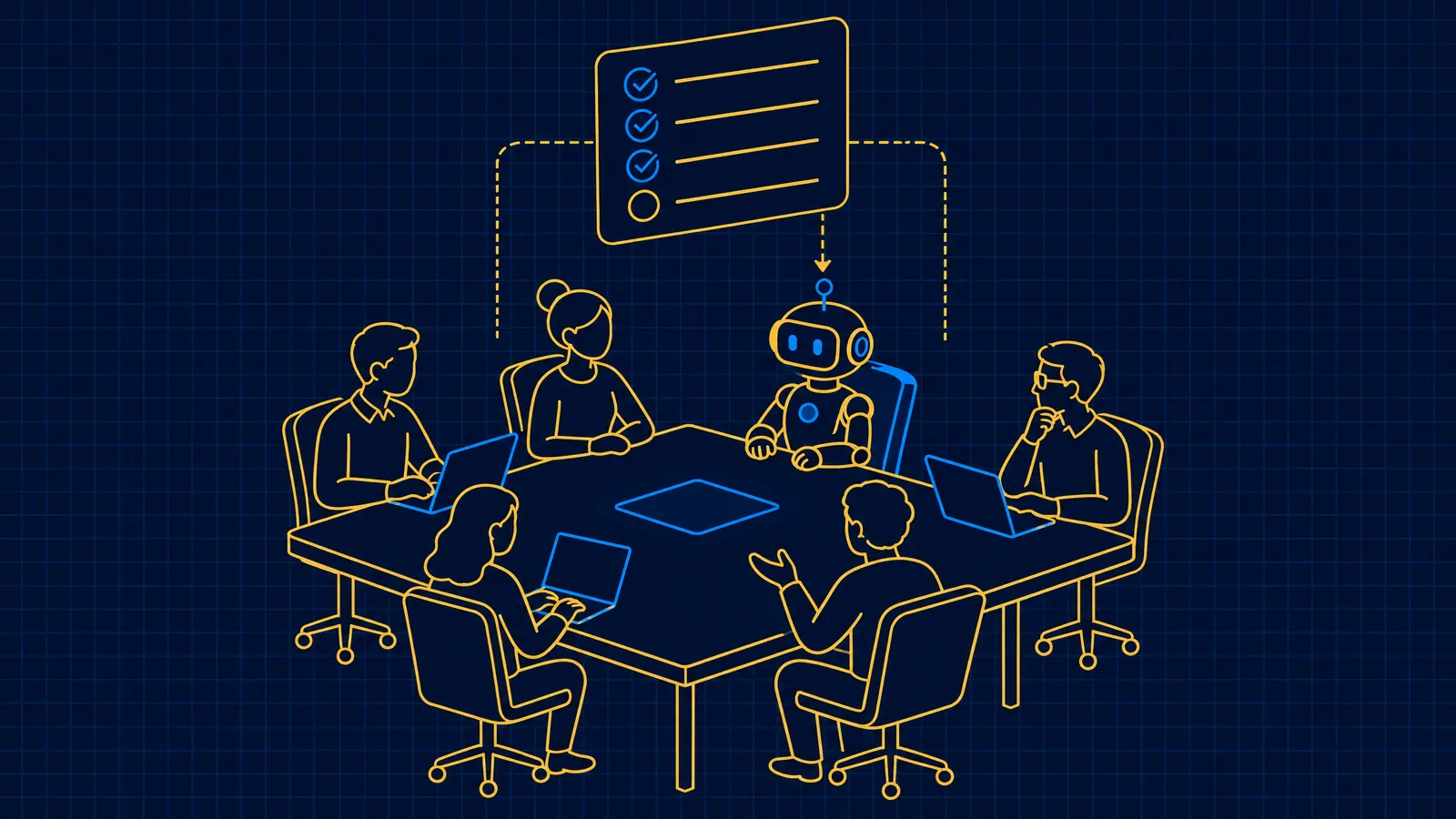 OnboardManagers
How to onboard an AI agent into a team
Onboarding an AI agent into a team means introducing an AI system that performs multi-step tasks with defined responsibilities, limited permissions, human review points, and a named supervisor. A well-onboarded AI agent starts with narrow tasks under close review and earns wider autonomy only after the agent's work proves reliable against agreed measures.
Intermediate9 min readLast reviewed November 10, 2026 OnboardManagers
How to measure AI adoption
Measuring AI adoption means tracking whether employees use approved AI tools, how deeply the tools are woven into daily work, and whether business outcomes improve as a result. Useful AI adoption measurement combines usage data, outcome measures tied to baselines, quality signals, and staff feedback, reviewed on a regular schedule with the managers responsible.
Intermediate8 min readLast reviewed November 10, 2026 OnboardTechnical
How to keep AI systems secure and compliant
Keeping AI systems secure and compliant means applying standard security controls to AI applications, plus controls for risks specific to AI, such as prompt injection, data leakage through model inputs, and unreviewed automated actions. A secure AI system classifies data, limits access, logs activity, reviews vendors, and maps controls to the regulations that apply.
Advanced9 min readLast reviewed November 10, 2026
Want the guide applied to your company?
A working session takes the steps in these guides and maps them to your processes, your systems, and your team. No charge, no obligation.